Workshop at ECML PKDD 2026

1st Workshop on REpresentation learning from Heterogeneous and Multi-source biomEDical data

A focused forum on robust, multimodal, and trustworthy representation learning for real-world clinical data.

11 September 2026 Napoli, Italy Half-day workshop Double-blind review

About

Representation learning for heterogeneous biomedical data

REHMED 2026 addresses representation learning for heterogeneous biomedical data (EHR, imaging, omics, signals, text), with emphasis on robust and trustworthy clinical AI.

Clinical data are multi-modal, multi-source, longitudinal, and often incomplete. The workshop focuses on methods that improve transferability, robustness, and interpretability across real healthcare settings and institutions.

Special attention is given to uncertainty estimation, calibration, fairness, explainability, and privacy-preserving learning, aligned with high-risk AI requirements in healthcare.

Objectives

  • Advance representation learning for heterogeneous biomedical data.
  • Promote multimodal and weakly supervised approaches.
  • Connect ML/DL innovation with deployment constraints.
  • Foster interdisciplinary collaboration.

Topics

Thematic areas

The workshop welcomes methodological and applied contributions across the following technical areas.

Representation Learning and Adaptation

  • Foundation models for biomedical data
  • Self-supervised and weakly supervised learning
  • Transfer learning and domain adaptation
  • LLMs and ontology-aware representations

Multimodal and Multi-source Integration

  • Cross-modal alignment and fusion
  • Learning from unpaired multimodal data
  • Incomplete and partially observed modalities
  • Data harmonization across institutions

Structured and Temporal Modeling

  • Graph and relational representations
  • Longitudinal patient trajectory modeling
  • Time-series representation learning
  • Geometry-aware and hyperbolic embeddings

Trustworthy, Causal, and Privacy-aware AI

  • Causal representation learning for healthcare
  • Uncertainty estimation and calibration
  • Interpretability, fairness, and safety
  • Federated and privacy-preserving learning

Call for Papers

Submission scope and guidelines

The workshop invites contributions on representation learning methods for heterogeneous biomedical data, with emphasis on methodological rigor and real-world clinical relevance.

What we are looking for

REHMED welcomes methodological advances as well as applications in realistic biomedical settings, including structured EHR, imaging, omics, physiological signals, and clinical text. Contributions may address multimodal fusion, representation learning with limited labels, cross-domain adaptation, causal modeling, or trustworthy AI for healthcare.

The workshop is designed as a forum for machine learning researchers, biomedical data scientists, and clinicians working on robust, transferable, and clinically meaningful representations.

Submission types

  • Long papers: up to 12 pages + references + supplementary (archival, original work).
  • Short papers: up to 6 pages + references + supplementary (work in progress, position papers, negative results, or open problems).

Submission instructions

  • Submit via Microsoft CMT in the REHMED track: submission link.
  • Use Springer LNCS format (camera-ready in final LNCS-compliant version).
  • Best-effort anonymization is required for review (remove author names, affiliations, and identifying links).
  • All deadlines are intended as 23:59 AoE.
  • For each accepted paper, at least one author must register and present at the workshop.
  • Authors should comply with ECML PKDD ethics guidance.

Technical areas of interest

  • Foundation models, self-supervised, weakly supervised, and contrastive learning.
  • Transfer learning and domain adaptation across tasks, institutions, and populations.
  • Cross-modal learning and integration of EHR, imaging, omics, and clinical text.
  • Graph, temporal, and hierarchical representations for clinical trajectories and biomedical ontologies.
  • Generative and causal approaches for clinically meaningful latent factors and biomarkers.
  • Interpretability, uncertainty, fairness, privacy-preserving learning, and regulation-aware AI.

Review policy

  • Double-blind peer review.
  • Each submission receives at least two independent reviews.
  • Evaluation criteria: relevance, technical quality, originality, clarity, and potential impact.
  • Desk rejection may apply to clearly out-of-scope or non-compliant submissions.

Timeline

Important dates

Track-level milestones are from the ECML PKDD 2026 workshop track. Deadlines are intended as 23:59 AoE.

Workshop paper submission deadline

05 June 2026

Notification of acceptance

30 June 2026

Camera-ready submission

10 July 2026

Workshop day

11 September 2026 - Napoli

Publication

Proceedings and formatting

According to ECML PKDD 2026 workshop track guidelines, workshops and tutorials are expected in post-workshop proceedings published by Springer CCIS.

Authors can opt-in or opt-out from proceedings publication, and camera-ready papers should follow LNCS format.

Long and short archival submissions are eligible for proceedings; non-archival submissions are presentation-only.

Speakers

Invited speakers

The first keynote speaker has been confirmed.

Additional invited speakers: TBA

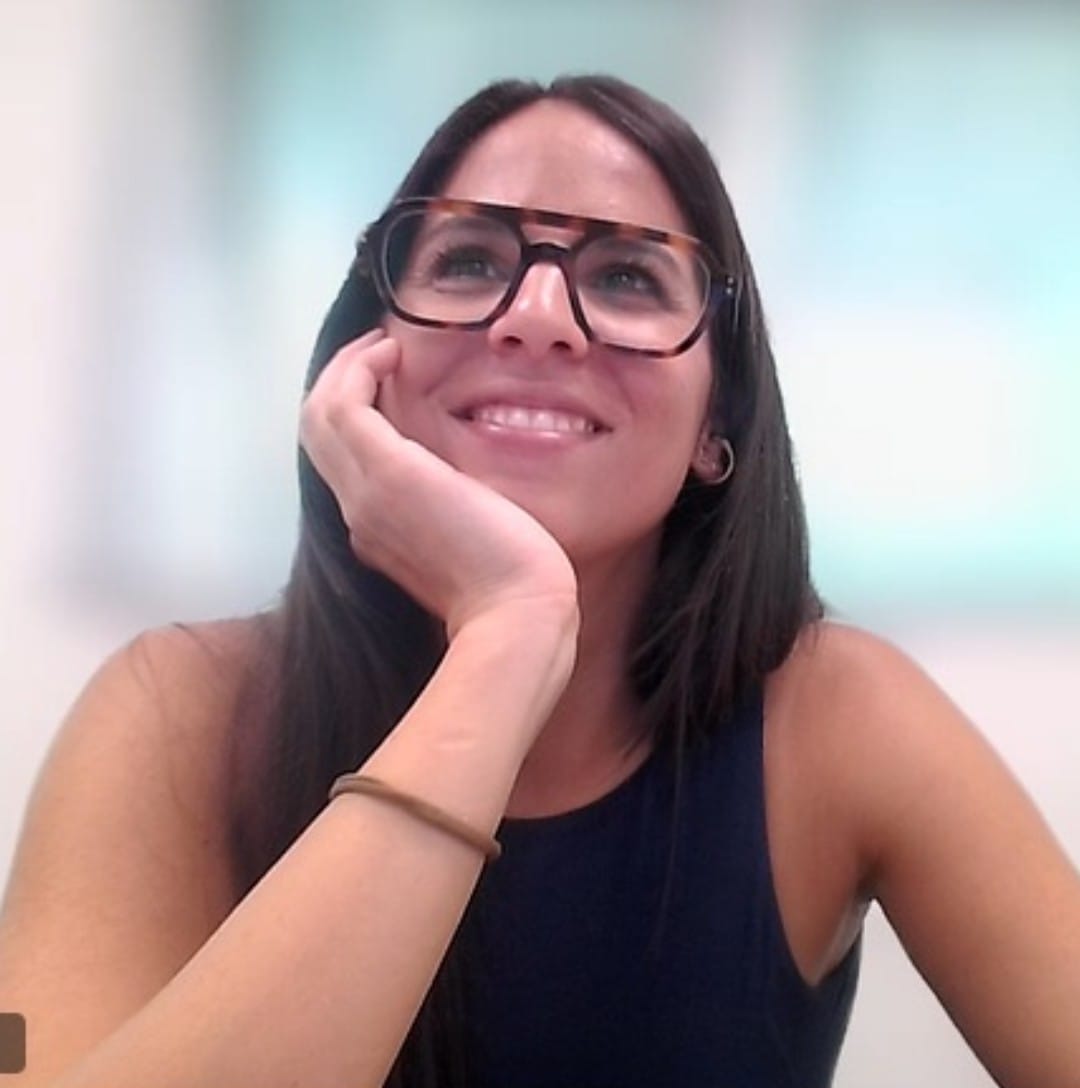
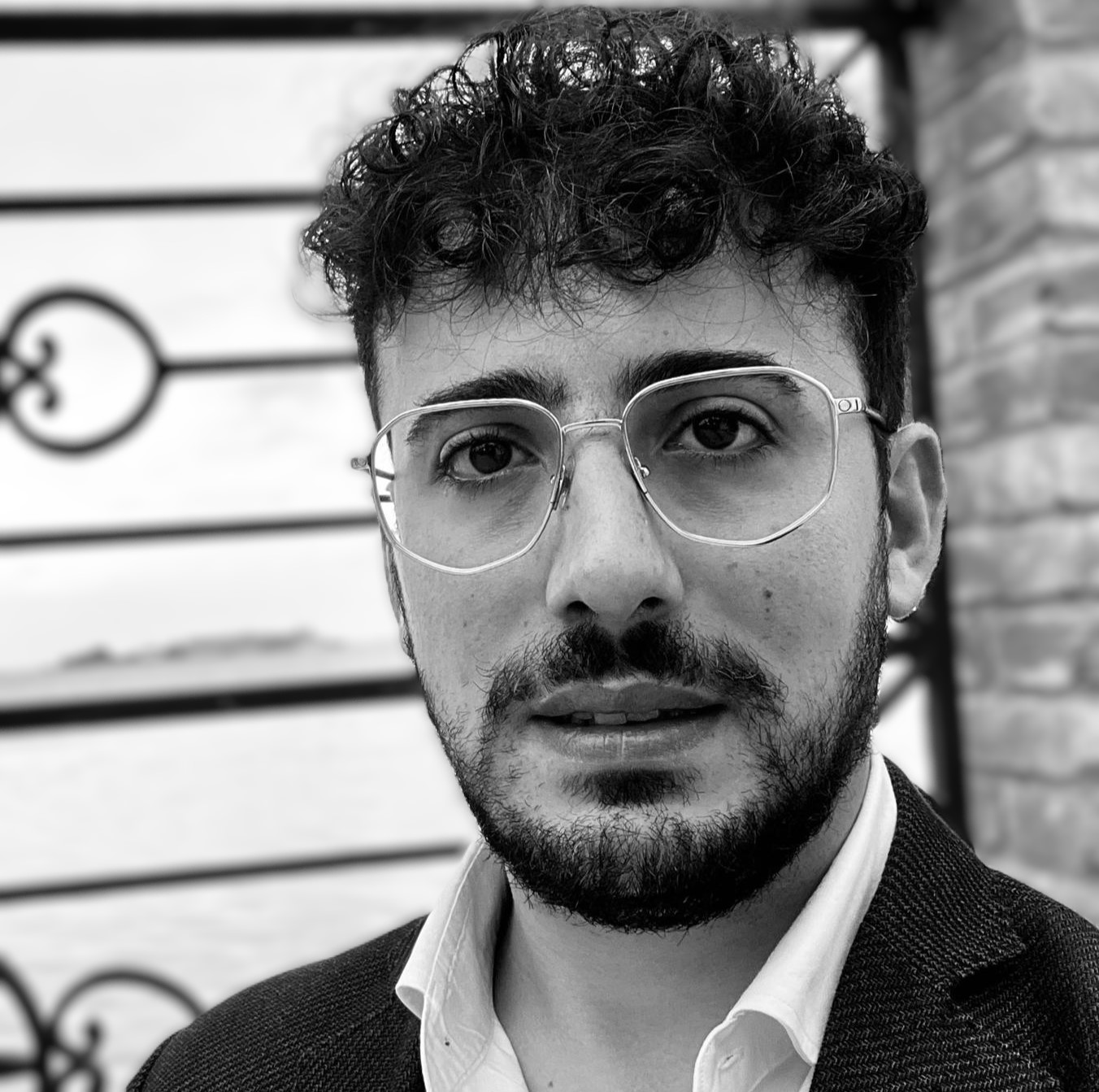
Organizers

Organizing committee

The workshop brings together researchers with expertise in biomedical AI, trustworthy machine learning, medical imaging, multimodal data integration, and clinical translation.

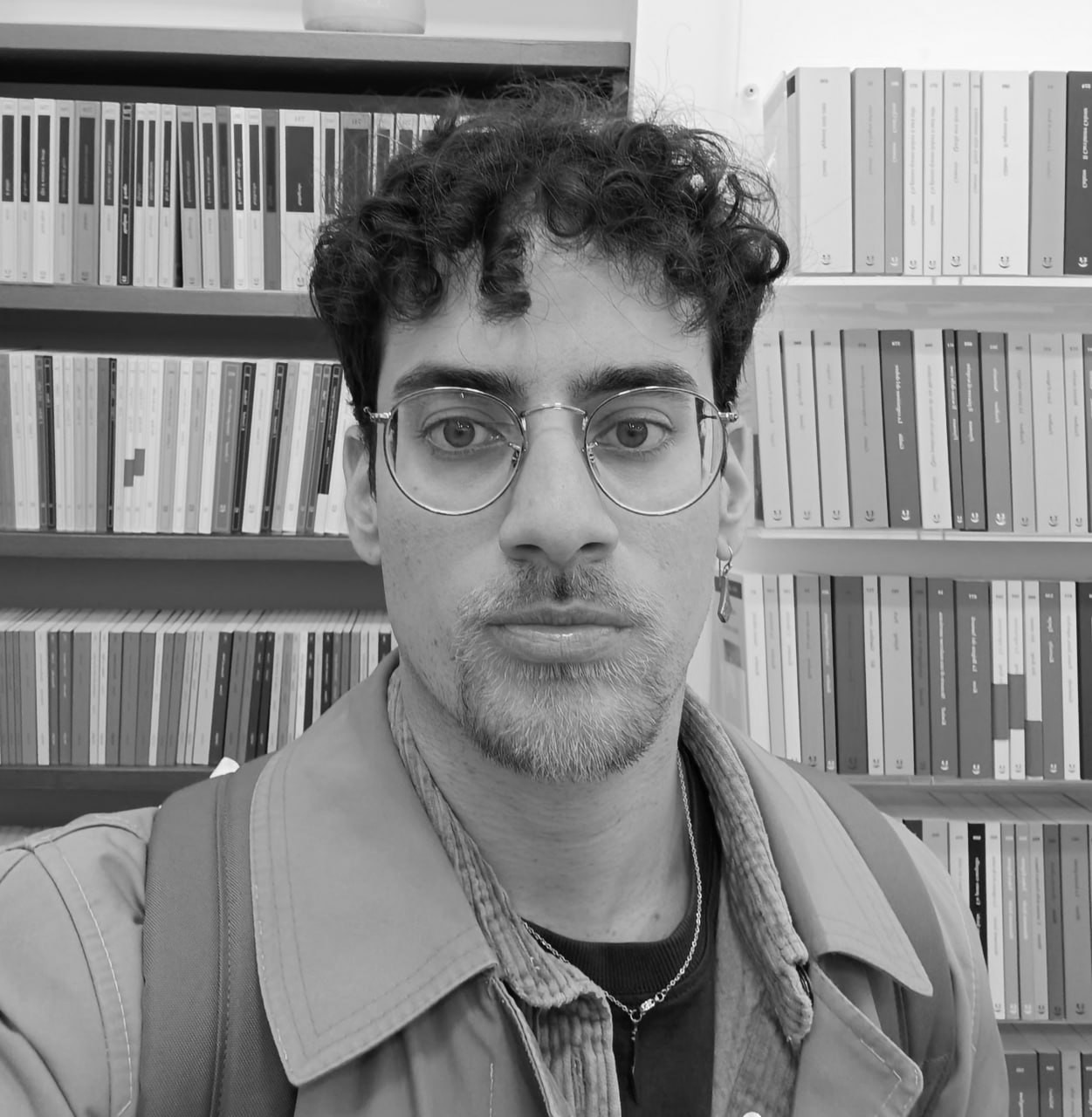
Soumick Chatterjee

Soumick Chatterjee

Human Technopole / Otto von Guericke University

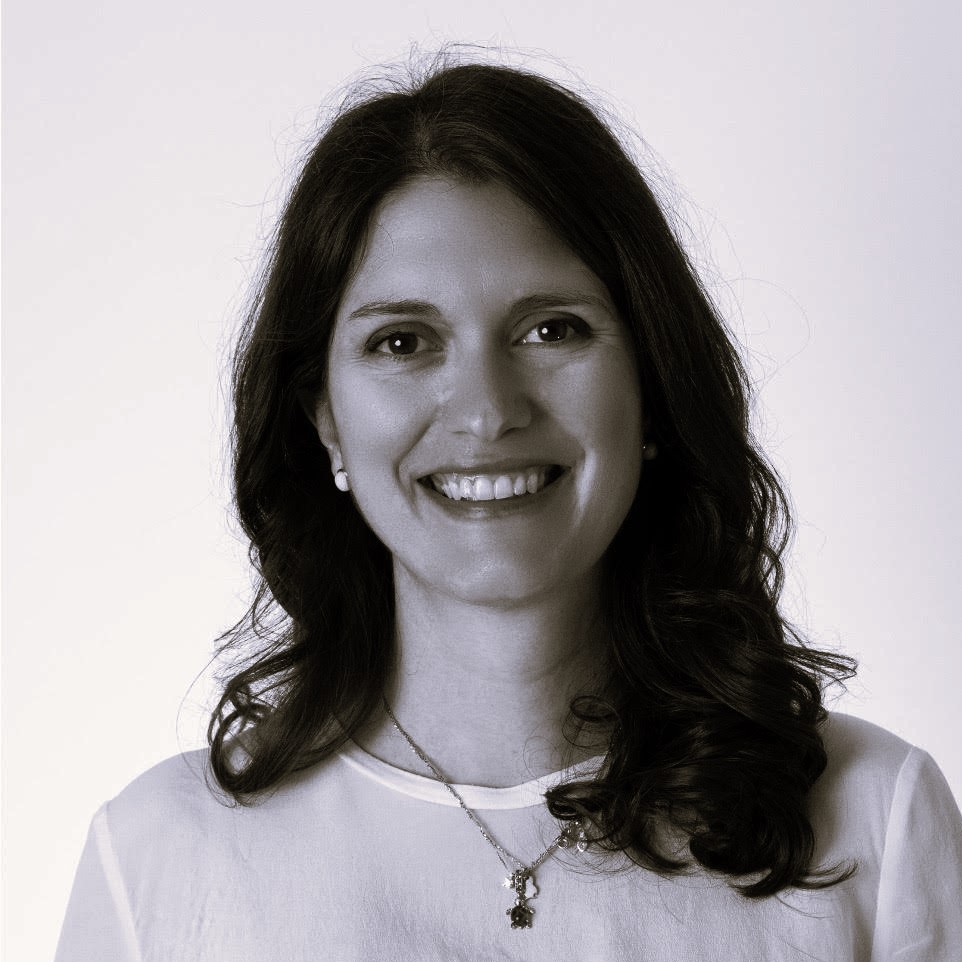
Mariachiara Di Cosmo

Mariachiara Di Cosmo

University G. d'Annunzio Chieti-Pescara, Italy

Program Committee

Program committee

The proposal defines a diverse PC from academia and industry to support the workshop review process.

PC members

  • Domenico Benfenati, University of Naples Federico II
  • Francesco Casadei, IRCCS Istituto delle Scienze Neurologiche di Bologna
  • Giovanni Maria De Filippis, University of Naples Federico II
  • George Klioumis, Eindhoven University of Technology
  • Lucia Migliorelli, Universita Degli Studi Di Teramo
  • Dario Righelli, University of Naples "Federico II"
  • Luca Romeo, Department of Economics and Law, University of Macerata
  • Riccardo Rosati, University of Macerata
  • Paolo Sernani, University of Macerata
  • Claudio Sirocchi, Universita Politecnica delle Marche

Contact

Workshop contacts